Putney Hill, London SW15
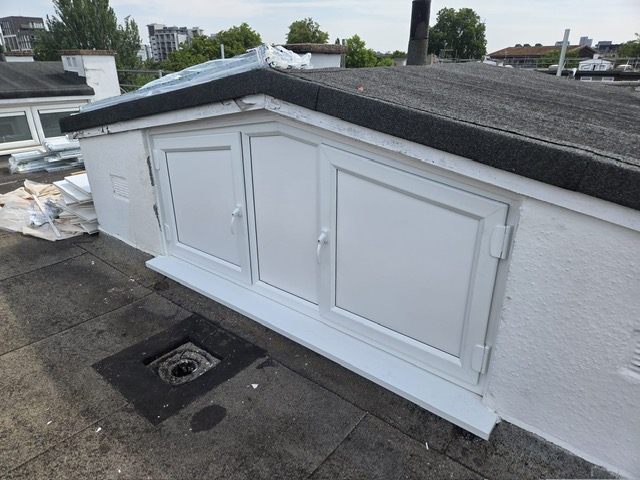
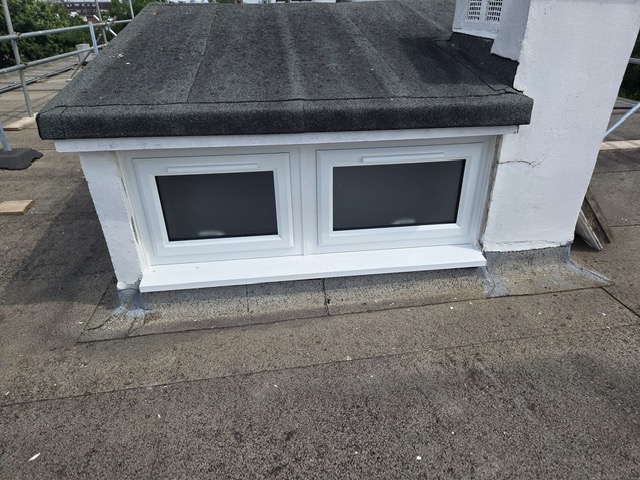
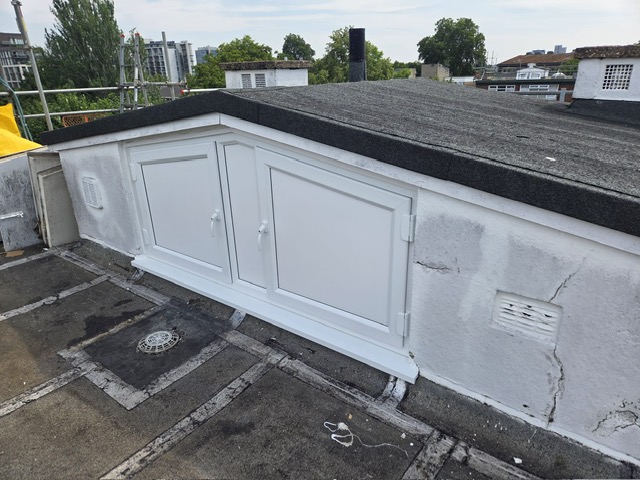
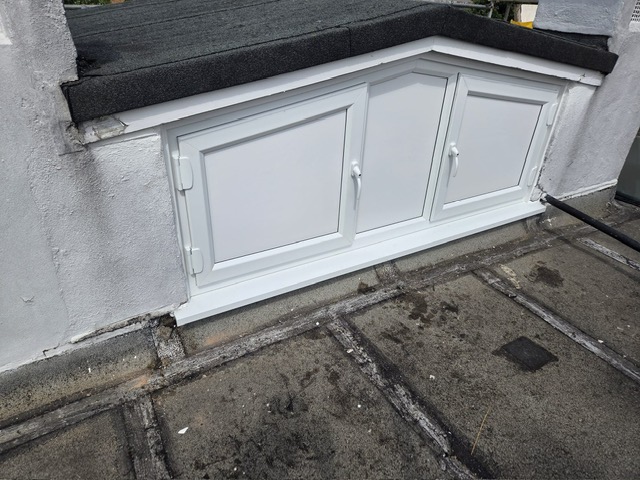
The project involved the replacement and refurbishment of 12 plant room and bathroom window and door units situated at roof level. Although relatively compact, these structures perform several important functions. They conceal water tanks, ventilation shafts, light wells and essential building services, while also allowing safe maintenance access and providing ventilation to enclosed areas.
The Challenge
The existing units had become increasingly difficult to operate and maintain. Exposure to wind, rain, temperature changes and elevated levels of UV light had taken its toll on the frames, hinges and opening mechanisms.
Several doors and windows were no longer closing correctly, while worn hardware and deteriorating components were creating concerns around weather resistance, ventilation and future maintenance access.
Because the units were positioned on top of an occupied residential building, the work also required careful planning. Access, safety, weather conditions and disruption to residents all had to be considered throughout the installation.
The Solution
The replacement units were manufactured using Liniar PVCu profiles, selected for their durability, low-maintenance finish and resistance to the harsh conditions experienced at roof level.
PVCu was particularly well suited to this application because it does not require regular painting and will not rot, warp or corrode when exposed to moisture. The new frames also provided a clean and consistent appearance across the various rooftop structures.
Robust door hinges were installed to improve reliability and ensure that maintenance personnel could continue to access the plant rooms safely and easily.
Where controlled ventilation and convenient operation were required, the windows were fitted with tilt and turn mechanisms. These allow the windows to tilt inwards from the top for secure ventilation or open fully inwards when greater access, cleaning or airflow is needed.
Practical Design Considerations
Although largely hidden from public view, the rooftop structures form an important part of the building’s operational infrastructure.
The replacement doors and windows had to accommodate a variety of uses, including:
- concealing rooftop water tanks and associated pipework
- providing ventilation around plant and service areas
- enclosing ventilation shafts and light wells
- allowing maintenance access to essential equipment
- improving weather protection around rooftop openings
- providing natural light and ventilation to bathroom areas
Each opening was assessed individually so that the most appropriate combination of fixed glazing, opening windows and access doors could be installed.
Installation
Working at roof level required additional care and coordination. The old frames were removed methodically to avoid unnecessary disturbance to the surrounding structure, waterproofing systems and internal services.
The new Liniar PVCu units were then installed, securely fixed, sealed and adjusted to ensure smooth operation. Particular attention was paid to the door hinges, locking points and tilt and turn mechanisms, as these components would be relied upon regularly by the building’s maintenance team.
Final checks were carried out to confirm that every unit opened, closed and locked correctly and that the perimeter seals provided suitable protection against wind-driven rain.
The Result
The completed installation resolved the building’s immediate maintenance problems while providing a much more durable long-term solution.
The new PVCu doors and windows are easier to operate, require minimal routine maintenance and offer improved resistance to the demanding conditions found on an exposed rooftop.
The tilt and turn windows provide flexible ventilation and straightforward access, while the upgraded hinges and hardware ensure that plant areas can be reached safely when servicing or inspections are required.
For the residential block management company, the project delivered a practical and cost-effective improvement to an often-overlooked part of the building, protecting essential services and reducing the likelihood of repeated repairs in the future.
http://www.facebook.com/SCIWindowsAndDoors